Batch 1 / Detect
Unexpected change
In this conceptual example, dissolved oxygen begins to fall. The batch is moving away from its intended conditions, and the cause is unfamiliar.
Our approach
Raw materials vary. Equipment drifts. An unexpected disturbance can change how a batch behaves. Evadapt’s ambition is to understand those changes, respond to unfamiliar faults and carry useful experience into the next batch.
A sensor reading matters in the context of the process around it. We want Evadapt to build a useful understanding of how a batch is behaving and recognise when that picture is no longer enough. For manufacturing teams, the aim is intelligence that understands the process it operates.
Recognising a change is only part of the challenge. The ambition is to adapt the operating response when conditions become unfamiliar, while respecting the process’s operating limits. We’re exploring how to move from identifying a problem towards helping a batch recover, even when the fault was not anticipated.
An incident should leave something useful behind. We want experience from one batch to help the system recognise related changes and respond more effectively in later batches. The research question is how to carry that experience forward while recognising that a new batch may need a different response.
Learning across bioreactor batches
Concept illustration · not experimental results
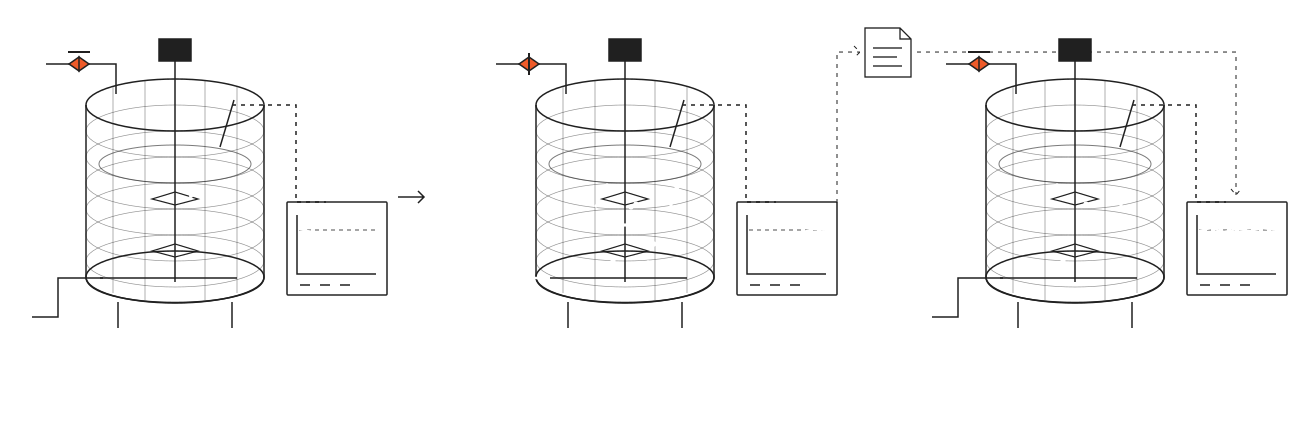 Oxygen fallsOxygen recoversOxygen steadier
Batch 1 / Detect
In this conceptual example, dissolved oxygen begins to fall. The batch is moving away from its intended conditions, and the cause is unfamiliar.
Batch 1 / Adapt
Aeration and nutrient feed are adjusted with the aim of bringing oxygen back towards the intended conditions. The illustration shows the desired behaviour, rather than an experimental result.
Batch 2 / Apply learning
Experience from that incident informs a later batch. The ambition is to recognise a related change earlier and make a more appropriate response.
A conceptual illustration of the ambition. Our work is early research using synthetic data.
The longer-term goal is a plug-and-play system that adapts to different processes with less process-specific rebuilding. Reaching that goal will require work on integration, process understanding and evidence from industry. We are beginning with a synthetic bioreactor environment; cross-industry deployment is an ambition, not a capability we have demonstrated.